The best way to learn how to choose garage doors is to compare the door, its parts, and the company doing the work. Check the design, material, safety features, care needs, and repair choices. Also ask about training, insurance, written plans, warranties, and safe work before choosing a provider in Durango.
Table of Contents
- How Do You Choose the Right Garage Door Company?
- What Should You Check About Licensing and Insurance?
- What Should You Ask About the Repair or Installation Plan?
- What Garage Door Warranty Coverage Should You Expect?
- How Long Should a Garage Door and Its Parts Last?
- What Safety Questions Should You Ask Before Work Begins?
- What Should You Confirm Before Booking a Garage Door Company?
How Do You Choose the Right Garage Door Company?
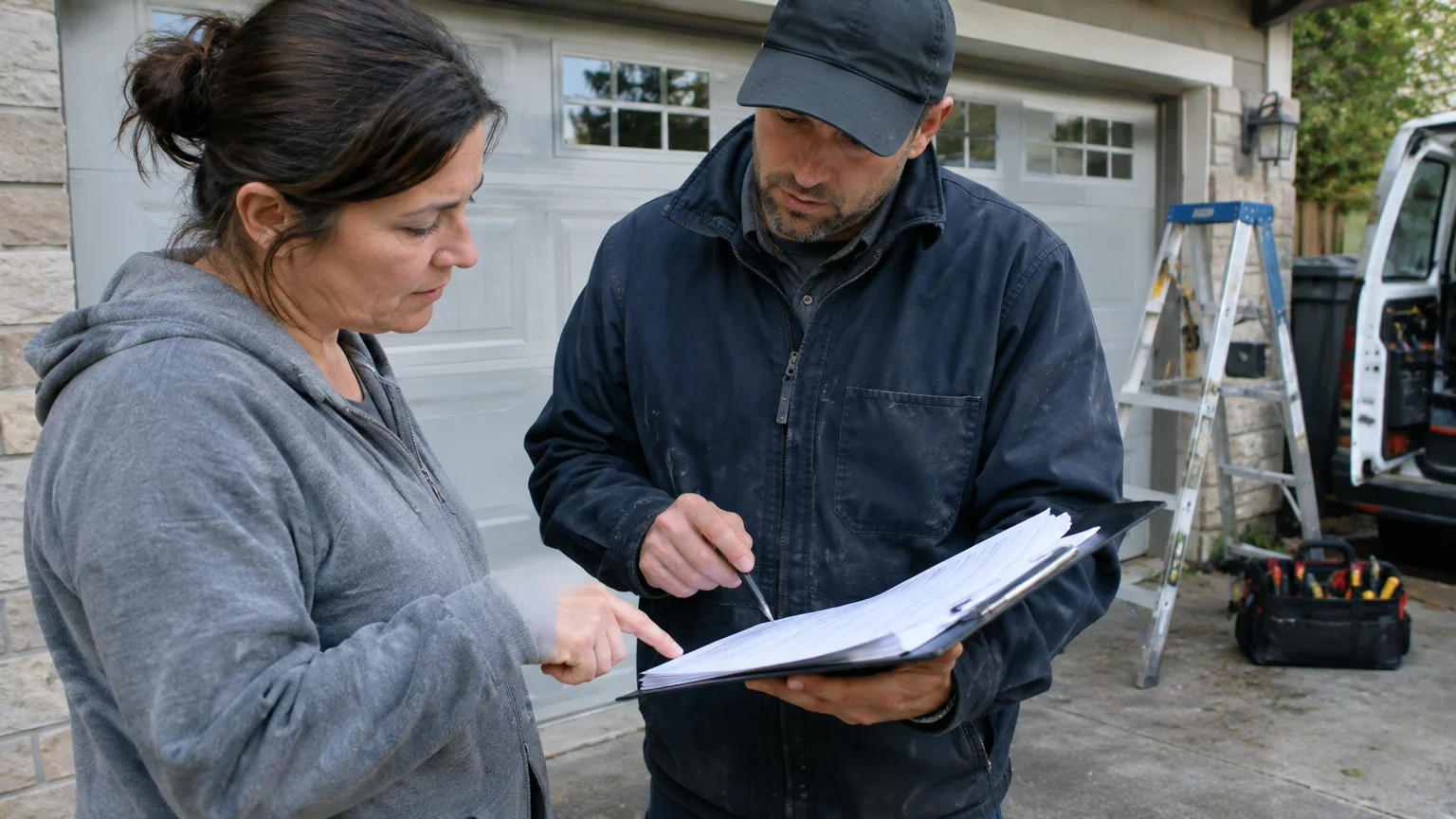
A good garage door company explains the problem in plain words. It should give you a clear plan without pressure. It should also take care of your home, business, door, vehicles, and family during the visit.
Experience matters because a garage door has many working parts. These parts include springs, rollers, hinges, tracks, lift cables, sensors, and openers. A trained technician knows how these parts work together. The technician should also know when a repair is safer than a new door.
What experience should a garage door provider have?
Ask how the company handles your type of problem. A broken spring, door off its track, failed opener, and damaged cable need different checks. A provider that handles Garage Door Cable Repair, Garage Door Off Track Repair, and Garage Door Opener Repair can check the whole system instead of one part.
The company should also explain whether it works on your door brand and design. Some doors need special parts or controls. A careful provider checks that parts will fit before installing them. This can help prevent the same problem from coming back.
Which services should a qualified company handle?
A helpful service range may include repairs, care, installation, and safety tests. Garage Door Maintenance can help find worn rollers, loose hardware, poor balance, or weak seals early. A garage door seal helps block air, dirt, and moisture around the door. Garage Door Installation may be a better choice when the door has major damage, weak insulation, or repeated faults.
Durango Garage Door Repair helps homeowners and property owners compare repair, care, and replacement choices. The best garage door choice depends on its condition, use, design, and safety needs. A good company explains these points instead of pushing one answer.
Is the Garage Door Company Licensed and Insured?
A garage door company should explain its insurance and any license rules that apply to its work. Rules can differ by state and local area. The company should give current information when asked and should not avoid the question.
Insurance and licensing do not prove that all work will be good. Still, they are useful checks before you book. Keep the company name, documents, and written agreement for your records.
What does liability insurance protect you from?
Liability insurance may help with some property damage or injury claims tied to covered work. It does not cover every event. The policy sets the exact limits. Ask if the coverage applies to work at your home or business.
Workers’ compensation is another question when employees visit your property. It may cover work injuries under the policy and state rules. Do not assume the company has the right coverage. Ask for clear details before work starts.
Should you verify licensing and technician qualifications?
Yes. Ask if the company has the licenses needed for the planned work in Colorado or your local area. Ask who will do the repair and what training that person has for springs, cables, openers, and door systems.
A trained technician should explain the repair without giving unsafe advice. Torsion springs and extension springs store force. Lift cables under tension and bottom brackets can also be dangerous. These parts need the right tools and training. A homeowner should not remove, adjust, or replace them alone.
What Should You Ask About the Repair or Installation Plan?
Before work starts, the company should explain what it found and what it suggests. The plan should match the real problem. It should not use vague words that leave key details out.
A written scope of work helps with repairs and new doors. This is a record of the planned service. It also gives you a chance to ask questions before the technician begins.
How will the company diagnose the problem?
The technician should inspect the door while it is closed and open, when safe. The check may cover springs, cables, rollers, hinges, tracks, opener parts, sensors, brackets, and fasteners. The technician should look for the cause, not only the part that looks broken.
A dead opener may result from lost power, a control fault, a worn motor, damaged wiring, or a door that is too heavy. Garage Door Opener Repair should start with testing and inspection. Changing one part without finding the cause may not fix the problem.
What should the written scope of work include?
The document should name the problem, planned work, parts, model details, safety checks, and warranty terms. It should say if the work is a repair, adjustment, replacement, or installation. Ask about anything that is missing or hard to understand.
For a new door, the plan should cover the door type, size, insulation, windows, hardware, opener needs, and removal of the old system. For a repair, it should say which parts will change and which will stay. The final cost should be confirmed on a quote before approval. Parts, door size, access, damage, and urgency can affect how jobs compare. An opener is often a smaller job than a full new door, but the quote depends on the work needed.
What Garage Door Warranty Coverage Should You Expect?
Warranty coverage should be explained before you approve the work. A warranty may cover parts, labor, or both. These terms are not always the same. Ask for the coverage in writing.
A warranty is a promise with limits. It does not mean every future problem will be covered. The rules may depend on proper use, care, approved parts, and the type of failure.
What parts and labor are covered?
Ask if the warranty covers the replacement part, the labor for a covered failure, or both. Ask how long each part of the warranty lasts. Door panels, springs, rollers, openers, remotes, and seals may have different terms.
The maker’s warranty and the service company’s work warranty may be separate. A company should explain who handles a claim and what records you need. Keep the written scope, receipt, model details, and care notes for later use.
What warranty exclusions and maintenance requirements matter?
Common exclusions may include misuse, accidental damage, weather events, changed equipment, poor care, or parts installed by another provider. The exact rules are in the written warranty. Ask if regular checks or approved service are needed.
Coverage may also change if a homeowner adds an unapproved opener, changes the track system, or uses the door for a purpose it was not made to handle. A clear company explains these limits in simple words. Durango Garage Door Repair can help customers know what to ask before they approve repair or installation work.
How Long Should a Garage Door and Its Parts Last?
A garage door’s life depends on its build, use, weather, care, and repair record. No single service life fits every home or business. A well-cared-for door may work for many years, while heavy use or ignored damage can shorten its life.
The door itself may last longer than some moving parts. Springs, rollers, cables, hinges, seals, and opener parts move again and again. Their condition matters more than age alone.
Which factors affect garage door lifespan?
How often you use the door matters. A door used many times each day may wear sooner than one used less often. Moisture, dirt, heat, cold, impact, poor alignment, and weak support can also cause damage.
Balance is important. A balanced door should not feel very heavy or drop fast when a trained technician checks it. A noisy door may have dry rollers, loose hardware, worn hinges, or a track problem. Homeowners can clean photo-eye lenses, keep the door area clear, and watch for changes. Spring, cable, and bottom-bracket work is not safe DIY work.
When should you repair, replace, or upgrade the door?
Repair may make sense when the main structure is sound and the damage is limited. Replacement may be better when panels are badly damaged, the door is unsafe, parts are hard to match, or failures keep returning. An upgrade may help when the opener lacks current safety features or the door no longer suits the property.
Think about security, insulation, looks, noise, access, and future care. A technician should explain why one choice fits better than another. You should not feel forced to decide before you understand the full system.
What Safety Questions Should You Ask Before Work Begins?
The company should explain how it will protect people, vehicles, walls, and the door. It should test the full system before leaving. Garage door safety is part of proper repair, not an extra detail.
Garage doors are heavy. Springs and cables can hold strong force. Never try to release spring force, pull a cable from a bracket, or adjust a spring alone. A mistake can cause severe harm or damage.
How will the technician test springs, tracks, and openers?
Ask if the technician will inspect spring condition, cable placement, track alignment, roller movement, hinges, brackets, and opener response. The technician should look for loose or bent parts. Any danger should be explained before work begins.
The opener should be checked only when the door is in proper condition. A door that binds or weighs too much can strain the opener. The technician should also test remotes, wall controls, photo-eye sensors, and the manual release when suitable.
What safety features should a working garage door have?
A working system should have aligned photo-eye sensors and a door that responds to its controls. The door should stop or reverse when the safety system detects an obstruction, when that feature is designed to do so. The technician should explain the test result in simple words.
Ask about emergency release access, sensor placement, wall controls, and safe use during a power outage. Children and pets should stay away from moving doors. Homeowners can keep the opening clear and report strange sounds, sudden movement, or a door that will not stay in place.
What Should You Confirm Before Booking a Garage Door Company?
Before booking, confirm who will arrive, what problem the visit will address, and what the company will inspect. Ask what documents you will receive. These details reduce confusion on the service day and give you time to pause when answers are unclear.
A local provider should understand homes, businesses, weather, and access needs in the area. People searching for garage door repair services near me should still check quality, insurance, safety, and warranty details. Being close by does not prove that a provider is right for the job.
Which details should be confirmed before the appointment?
A useful pre-booking checklist includes:
- The company’s legal name and service area
- The technician’s training for the planned repair
- Insurance and license information for the local area
- The inspection and written work plan
- Parts, labor, and warranty terms
- Safety testing after the work is complete
- The process for urgent access or security problems
People asking who services garage doors near me should compare answers, not just response speed. A company that explains its process can help you make a safer choice. Durango Garage Door Repair serves the main Durango area, from Grandview and Three Springs to Bayfield, Ignacio, and nearby communities. The company can discuss the next step without asking you to guess what the door needs.
What warning signs suggest you should keep looking?
Be careful if a provider will not explain insurance, avoids written details, or pressures you to approve work. Be cautious when it suggests replacement without a clear inspection. Vague warranty words are another warning sign. So is a technician who handles spring or cable work without proper tools and safety measures.
Be careful when a company promises a result without seeing the door. Also question anyone who asks for approval before explaining the cause. A calm, clear talk is a better sign than a rushed choice. The safest provider answers direct questions and respects your right to understand the work.
Frequently Asked Questions
How do you choose a reliable garage door company?
Look for clear answers about experience, insurance, licenses, written plans, safety tests, and warranties. A reliable company explains the cause and gives suitable choices. It should not pressure you or give unsafe advice about springs, cables, or brackets.
Does homeowners insurance cover garage doors?
Homeowners insurance may cover some garage door damage when a covered event caused it. Coverage depends on the policy, cause, exclusions, and deductible. Normal wear, poor care, and old parts may not qualify. Review the policy and ask the insurer about the specific damage.
Does a home warranty cover a garage door opener?
A home warranty may cover some opener failures under its contract. Coverage can limit parts, labor, service conditions, or approved providers. Check the agreement before booking work. A separate repair company can still inspect the opener and explain the likely cause.
How do you choose garage door springs?
Springs must match the door’s weight, size, lift system, and design. The right choice is not based on looks alone. Spring replacement involves stored force and should be done by a trained technician. Ask which spring type fits and what warranty applies.
How do you choose a garage door opener?
The right opener depends on door weight, size, use, noise needs, ceiling space, and safety features. Motor strength is only one part of the choice. A technician should check the door’s balance and condition first. A stronger motor cannot fix a damaged door.
Key takeaways
- Ask clear questions about experience, insurance, and training.
- Request a written work plan before repair or installation.
- Review parts, labor, exclusions, and care rules in the warranty.
- Leave spring, cable, and bottom-bracket work to trained professionals.
- Choose a company that tests the complete door system after service.
Conclusion
Choosing a garage door company is easier when you know what to ask. Experience, insurance, safety training, written work details, warranty terms, and honest repair advice all matter. A careful provider helps protect the home, business, vehicles, and people who use the garage.
When a door is stuck, off track, noisy, or unsafe, waiting can create more trouble. Contact us today to arrange garage door help from Durango Garage Door Repair.
If you are not sure what you are dealing with, it is worth having someone look at it before it turns into a bigger job. Get in touch with Durango Garage Door Repair today and we will tell you where you stand.